Children’s First Dental Visit: What Parents In Townsville Should Expect
A child’s first trip to the dentist can feel like a big moment, especially if you’re not sure how they’ll react. Many parents worry their child will be scared, won’t sit still, or will associate the dentist with “something bad”. In reality, a first visit is usually designed to be gentle, short and confidence-building. The goal is to help your child feel safe in a new environment and help you understand what good early oral care looks like at home.
For Townsville families juggling daycare drop-offs, kindy readiness and busy work weeks, having clear expectations can take a lot of pressure out of the experience. Below is what typically happens, how child-friendly appointments are approached and how you can set your child up for a positive start.
When Should Your Child Have Their First Dental Visit?
A helpful rule of thumb is “early and easy”. Many dental teams recommend a first visit in the toddler years, or earlier if you have concerns. That doesn’t mean your child needs treatment. It’s about introducing the space, the chair and the idea of “checking teeth” before problems develop.
Parents often book the first visit when they notice their child’s teeth coming through, when routines like brushing are still being learned, or when they want reassurance they’re on the right track. It can also be timely ahead of big milestones like starting daycare or kindy, when daily routines are already changing.
- Early visits help normalise the dentist as part of healthcare
- You can ask questions about brushing, diet and dummy or thumb habits
- The appointment can help spot risk factors early, without rushing into treatment
- If you’ve got a concern, it’s usually better to check sooner rather than later
Why the First Appointment is About Comfort, not Drilling
A first dental appointment for a young child is typically about comfort and familiarity. Most dentists aim to create a calm, “no surprises” experience so your child learns the visit is safe. That might mean letting them explore the chair, showing them the mirror, and using simple language to explain what’s happening.
This approach helps reduce fear. If a child’s first experience is gentle, they’re more likely to tolerate future visits, even if they later need a little more time or support. It also helps parents feel less anxious, which matters because children often pick up on adult stress quickly.
- The aim is usually to build trust and routine
- Dentists often use “tell, show, do” so children know what to expect
- Appointments are often kept short to match attention spans
- A calm first visit can support long-term confidence with dental care
How to Prepare Your Child Without Building Anxiety
Preparation is useful, but over-preparing can sometimes backfire. The best approach is calm and simple. Talk about it like you would a haircut or a check-up: a friendly person will look at their teeth and count them. Avoid scary language or promises like “it won’t hurt”, because that can accidentally signal that pain is expected.
Choosing the appointment time can help too. Many families find mornings work best when kids are rested. A small snack beforehand can reduce crankiness, but it can also help to avoid sticky foods right before the visit.
- Keep explanations short, upbeat and matter-of-fact
- Avoid sharing your own negative dental stories
- Let them bring a comfort item if that helps
- Consider booking at a time that suits their best energy and mood
What Actually Happens in the Chair During a First Visit
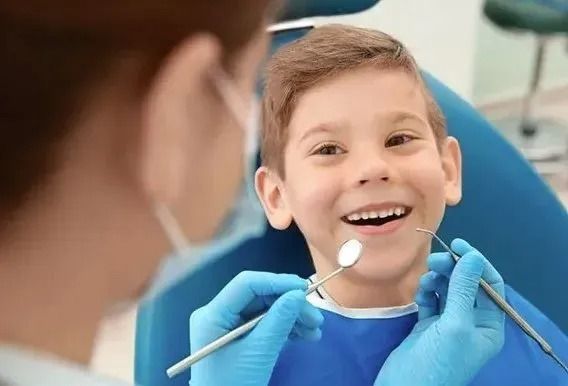
Every clinic has its own style, but many first visits follow a similar flow. The dentist and team will usually greet your child, explain what will happen in kid-friendly language and move at your child’s pace. Some children sit in the chair independently. Others prefer sitting on a parent’s lap. Both can be completely normal, especially for toddlers.
The dentist may “count teeth”, look at gums and jaw development, and check for obvious signs of early decay, plaque build-up, or bite issues. If your child is comfortable, the dentist may do a very gentle clean or polish, but this depends on the child’s age and cooperation on the day.
- A calm introduction and simple explanation first
- A quick look at teeth, gums and bite as tolerated
- Sometimes a gentle clean, depending on comfort and age
- Time for parent questions and practical home guidance
Gentle Checks Dentists Use for Little Mouths
Dentists who work with kids often use gentle, low-pressure ways to check the mouth. The tools are usually small, and the focus is on being quick and non-threatening. The dentist may use a tiny mirror to see the back teeth and a light to improve visibility. If a child is nervous, the dentist may do the check in stages rather than all at once.
If anything needs closer attention, it doesn’t always mean it will be handled that day. In many cases, the priority is building comfort first, then planning next steps in a way the child can tolerate. Parents are usually guided on what they can do at home while the child gets used to visits.
- Visual checks are often the main focus in first appointments
- Dentists typically work fast, then pause to reassure the child
- The appointment can be adapted to the child’s comfort level
- Home care guidance is a big part of early visits
Questions Parents Can Ask to Feel More Confident
A first dental visit is also for you. It’s a chance to ask the “everyday” questions that don’t always get answered elsewhere, especially if you’re a first-time parent. You can ask about brushing technique, toothpaste amounts, diet habits that affect teeth and how often your child should be seen.
If your family has a busy schedule, it can help to ask what a realistic routine looks like. You can also discuss things like dummies, bottles, thumb sucking and mouth breathing, because these habits can influence development over time.
- What toothpaste and toothbrush should we use at this age?
- How can we make brushing less of a battle?
- What snacks and drinks are most likely to cause problems?
- How often should my child have
check-ups, based on their risk factors?
Common Concerns: Wiggly Kids, Tears and Short Attention Spans
Many children don’t sit perfectly still, especially on their first visit. Some are curious and chatty. Some are cautious. Some cry the moment they see a new room. This is all within the range of normal. A child-friendly dental team expects movement, noise and big feelings, and will usually aim to keep the experience positive rather than forcing an uncomfortable appointment.
If your child becomes upset, it doesn’t mean they’ve “failed” or that dental visits will always be hard. Often it simply means they need a slower approach and a bit more familiarity. Sometimes a first appointment is mostly a meet-and-greet, and that can still be a success.
- It’s common for children to be hesitant in new environments
- Short appointments can be more effective than pushing through
- Sitting on a parent’s lap can help some children feel secure
- A positive ending matters more than “getting everything done”
Building a Simple Routine After the First Visit
The most valuable part of an early dental visit is what happens after it: small daily habits that protect teeth over time. Dentists often keep advice simple for families, focusing on brushing routines, limiting frequent sugary snacks and drinks and making check-ups feel normal.
If you’re in a busy season of life, a routine that’s easy to keep is better than an ideal routine that never sticks. The goal is consistency. Over time, that consistency supports healthier teeth and less anxiety about dental visits.
- Keep brushing predictable, even if it’s not perfect every time
- Aim for water between meals and keep sugary treats to set times
- Treat dental visits like regular healthcare, not a punishment
- Use the next appointment as a “practice run” for confidence-building
Book A Calm First Visit
We at Aspire Dental welcome families who want a gentle, child-friendly introduction to dental care, and if you’re looking for a Dental Clinic in Townsville that can help your child feel comfortable from the very first appointment, contact us to book a visit that suits your schedule and your child’s pace.